
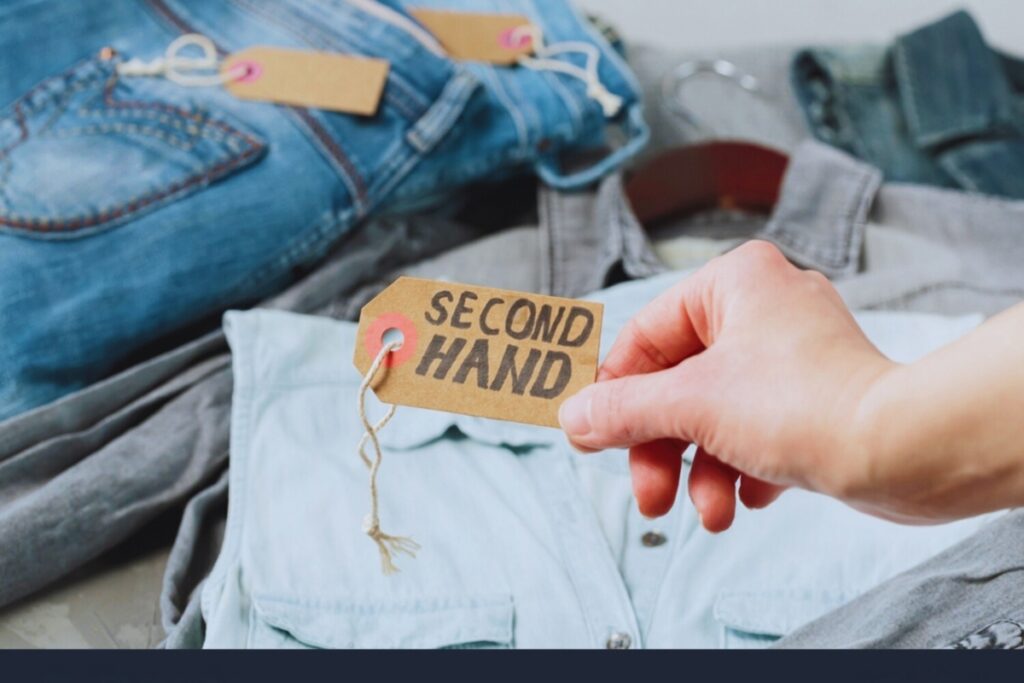
Why the Second-Hand Clothing Industry Matters More Than Ever
Introduction: A Growing Global Shift
In today’s world, the second-hand clothing industry is not just an economic opportunity; it’s a global movement. With climate change, fast fashion waste, and rising economic inequality, more individuals and businesses are turning toward pre-owned garments. The second-hand sector addresses these issues while opening up scalable business opportunities across continents.
Environmental Benefits: Fighting Fashion Waste
Each year, millions of tons of clothing end up in landfills. By extending the life cycle of garments through resale and reuse, this industry plays a significant role in reducing waste. It minimizes water and energy usage compared to new manufacturing and helps tackle the overproduction crisis caused by fast fashion brands.
Economic Empowerment Across Borders
In many developing nations, the second-hand trade is a lifeline. For wholesalers and small business owners across Africa, South America, and Asia, used clothing imports are the foundation of their retail models. These goods create local jobs in sorting, selling, and tailoring, offering low-risk entry into commerce and entrepreneurship.
Affordable Quality for All
One of the most valuable aspects of this industry is its ability to make high-quality, branded clothes accessible. From British originals to European fashion labels, consumers in budget-conscious markets gain access to stylish, durable garments at affordable prices. Grades like Cream and Export A ensure customers receive gently used, wearable items that would be cost-prohibitive new.
Encouraging Circular Fashion
Circular fashion is about keeping materials in use longer—and second-hand is at the heart of it. Clothing that moves from one owner to the next reduces demand for virgin resources. It supports conscious consumerism, promotes rewearing, and lessens dependency on harmful manufacturing cycles.
From Sorting to Shipping: An Industry of Expertise
This industry isn’t just about collecting clothes—it involves a full ecosystem of grading, sorting, packaging, and logistics. Companies like MS Group provide structured quality control, ensuring each bale meets resale expectations. Whether it’s Cream-grade shirts or Export B children’s wear, consistent quality builds trust and long-term trade relationships.
Supporting Local Markets, Globally
From Lagos to Lima, Karachi to Kinshasa, second-hand markets fuel microeconomies. Sellers rent stalls, hire workers, and serve loyal customers who rely on these markets for everyday fashion. These transactions circulate cash within local economies, strengthening community bonds and reducing dependence on global retail chains.
Challenges and Opportunities Ahead
Despite its benefits, the second-hand industry faces misconceptions around hygiene, status, and regulation. Education and transparency are key. With proper sorting, cleaning, and quality assurance, the industry continues to improve its image and standards. There’s also room for innovation in tech, traceability, and digitization.
Conclusion: More Than Clothes, It’s a Movement
The second-hand clothing trade represents more than just affordable fashion. It’s about sustainable choices, economic inclusion, and practical reuse. By supporting this industry—whether as a buyer, supplier, or entrepreneur—you’re investing in a cleaner, fairer global economy.
Call to Action:
Interested in starting your own resale business or sourcing quality used clothes in bulk? Contact MS Group to explore our European-origin inventory, transparent sorting process, and global shipping solutions.




 German
  English
  French
  Dutch
Dutch