
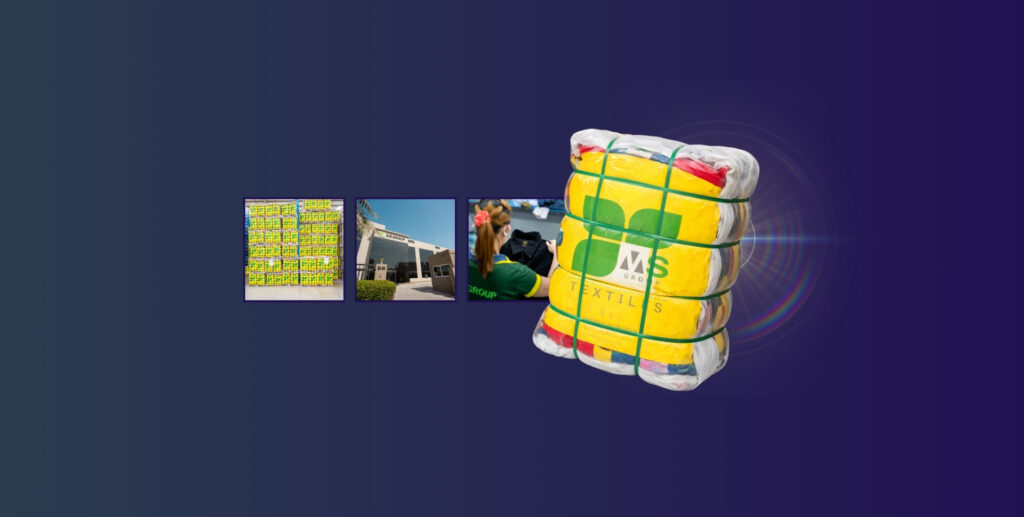
Introduction: Read This If You Already Import — But Want Better Results
You already import mitumba. You already know the paperwork. You already sell wholesale or retail in Kenya.
So why read another guide?
Because most Kenyan wholesalers are overpaying, accepting inconsistent grades, and working with suppliers who don’t actually care about resale value.
This guide is built for one purpose only:
To help you upgrade your supply chain — without changing your business model.
Here’s what you’ll learn:
- How experienced Kenyan buyers actually source used clothes wholesale from Europe
- How to avoid grade manipulation and bale surprises
- How to choose a second‑hand clothing supplier that improves margins, not excuses
- How to order bulk mitumba smoothly and repeatedly
If your goal is better stock, faster turnover, and fewer supplier headaches — keep reading.
Table of Contents
- Why Most Mitumba Importers Struggle With Supply Quality
- Understanding Used Clothing Grades (What Really Matters)
- Choosing the Right Used Clothing Supplier for Kenya
- How Bulk Used Clothing Orders Actually Work (Step‑by‑Step)
- Bale Types, Categories, and What Sells in Kenya
- Logistics, Packing, and Export Reality From Europe
- How to Reduce Risk When Switching Suppliers
- Why European Used Clothes Outperform Other Origins
- How Smart Wholesalers Scale With the Right Export Partner
- Conclusion
1. Why Most Mitumba Importers Struggle With Supply Quality
If you’ve imported bales before, you already know the problem.
One shipment is good. The next one disappoints.
The issue isn’t mitumba demand in Kenya — demand is strong. The real issue is supplier inconsistency.

Here’s what usually goes wrong:
- Mixed grades sold as Grade A
- Poor sorting to increase bale weight
- No accountability after shipment
- Suppliers focused on volume, not resale value
Bottom line?
A cheap supplier often becomes the most expensive mistake.
2. Understanding Used Clothing Grades (What Really Matters)
Grades matter — but not in the way most suppliers explain them.
Instead of memorizing labels, focus on three practical factors:
- Wearability (Can it sell without repair?)
- Fashion relevance (Is it outdated or market‑ready?)
- Consistency across bales
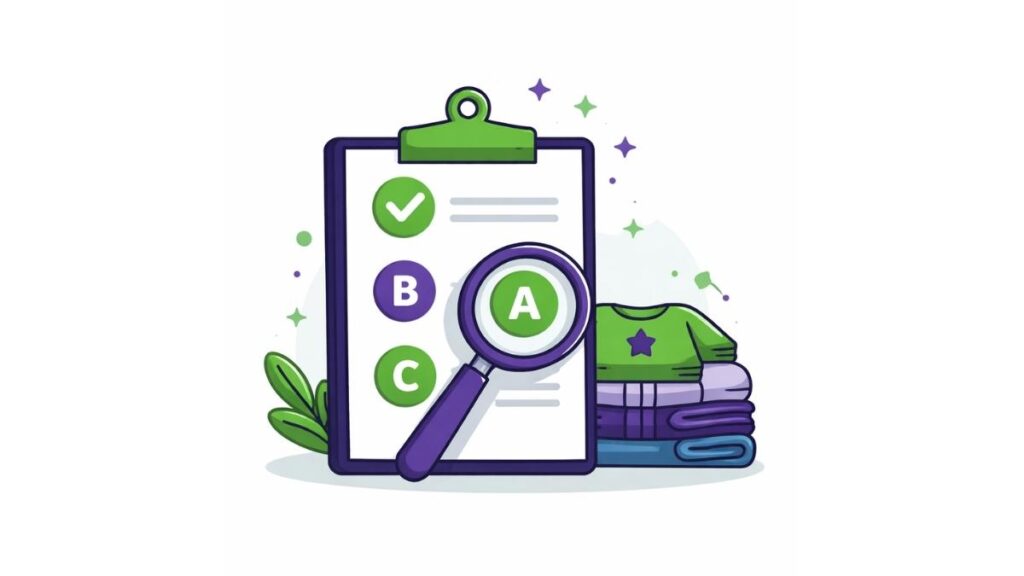
Experienced Kenyan buyers don’t chase “perfect grades”. They chase predictable grades.
That’s why working with a professional used clothes exporter who sorts properly is critical.
3. Choosing the Right Second Hand Clothing Supplier for Kenya
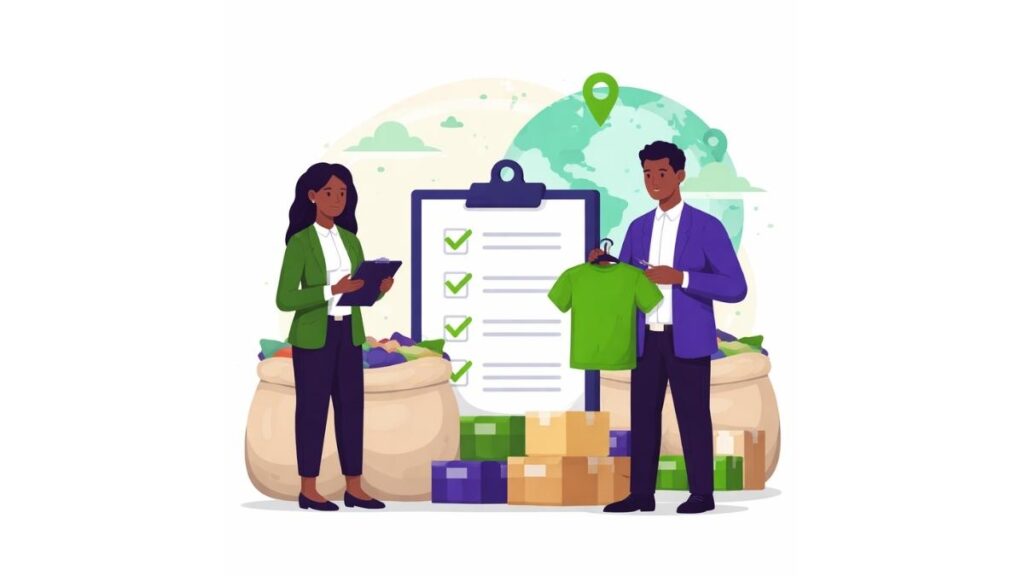
You’re not looking for a new seller.
You’re looking for a long‑term supply partner.
Before placing bulk orders, check this:
- Do they specialize in used clothing in bulk exports?
- Can they explain their sorting process clearly?
- Do they supply wholesale used clothing for Kenya specifically?
- Do they show real packing and loading operations?
If a supplier avoids details — walk away.
4. How Bulk Used Clothing Orders Actually Work (Step by Step)
Here’s how professional orders are placed
- Select product category (men, ladies, children, mixed)
- Confirm grade and bale weight
- Review packing method
- Finalize quantity and loading plan
- Shipment and documentation
Reliable bulk used clothing suppliers follow this exact flow every time.
Anything vague at this stage becomes a problem later.
5. Bale Types, Categories, and What Sells in Kenya
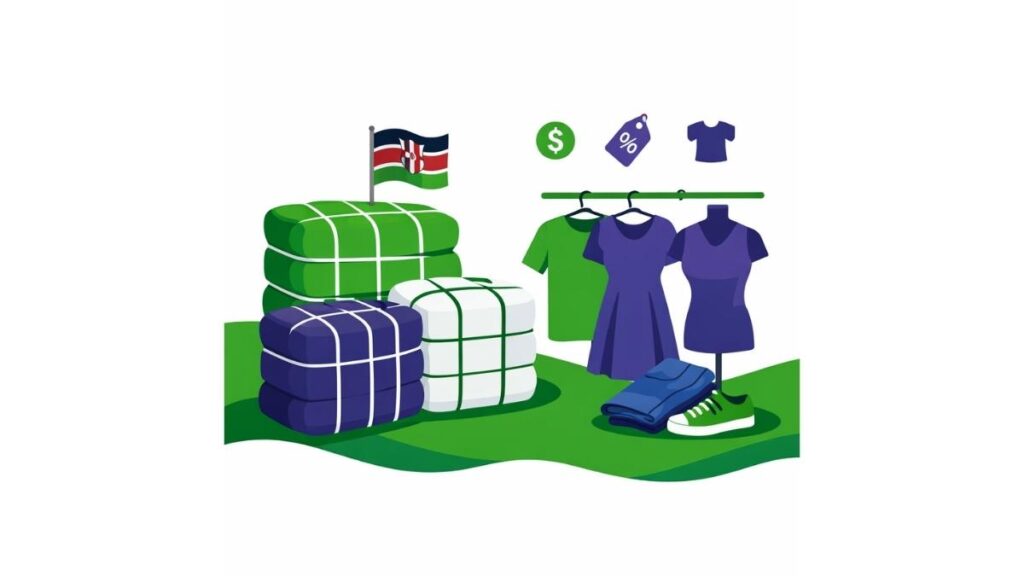
Not all bales perform the same in Kenyan markets.
High‑performing categories usually include:
- Men’s mixed clothing
- Ladies fashion wear
- Children’s clothing
- Shoes and accessories (when sorted correctly)
Smart wholesalers adjust categories based on season, location, and resale channel
6. Logistics, Packing, and Export Reality From Europe
Professional exporters supplying European-origin second-hand clothes often operate from global trade hubs like the UAE.
In our case, collections are sourced from Europe, then professionally sorted, packed, and exported from SAIF Zone, Sharjah — a major international logistics hub.
This model allows:
- Better documentation control
- Faster container handling
- Consistent packing standards
That’s why European-origin used clothes exported through the UAE continue to hold strong resale value in Kenya.
7. How to Reduce Risk When Switching Suppliers
Switching suppliers feels risky — unless you do it right.
Reduce exposure by:
- Starting with a trial order
- Limiting categories initially
- Requesting packing transparency
- Evaluating resale performance, not just arrival condition
This approach protects cash flow.
8. Why European Used Clothes Outperform Other Origins
European-origin collections are:
- Better sorted
- Less damaged
- More fashion-aligned
- Easier to resell
While the clothes are collected from Europe, many professional exporters operate from the UAE to ensure smoother logistics, trade compliance, and consistent export quality.This structure allows Kenyan wholesalers to improve supply reliability without changing their market strategy.
9. How Smart Wholesalers Scale With the Right Export Partner
Growth doesn’t come from importing more.
It comes from importing better.
A reliable second hand clothing supplier helps you:
- Maintain consistent stock
- Build buyer trust
- Improve margins
- Scale predictably
If you’re ready to evaluate a professional European exporter, start here:
👉 Buy Mitumba — European Second Hand Clothes Wholesale in Kenya
10. Conclusion
This guide covered the full picture — from grades to logistics to supplier selection.
Now it’s your move.
If you want to test a supplier that focuses on sorting, transparency, and long‑term trade — reach out through our Kenya wholesale page and start a conversation.
Better supply isn’t luck.
It’s a decision.


 German
  English
  French
  Dutch
Dutch